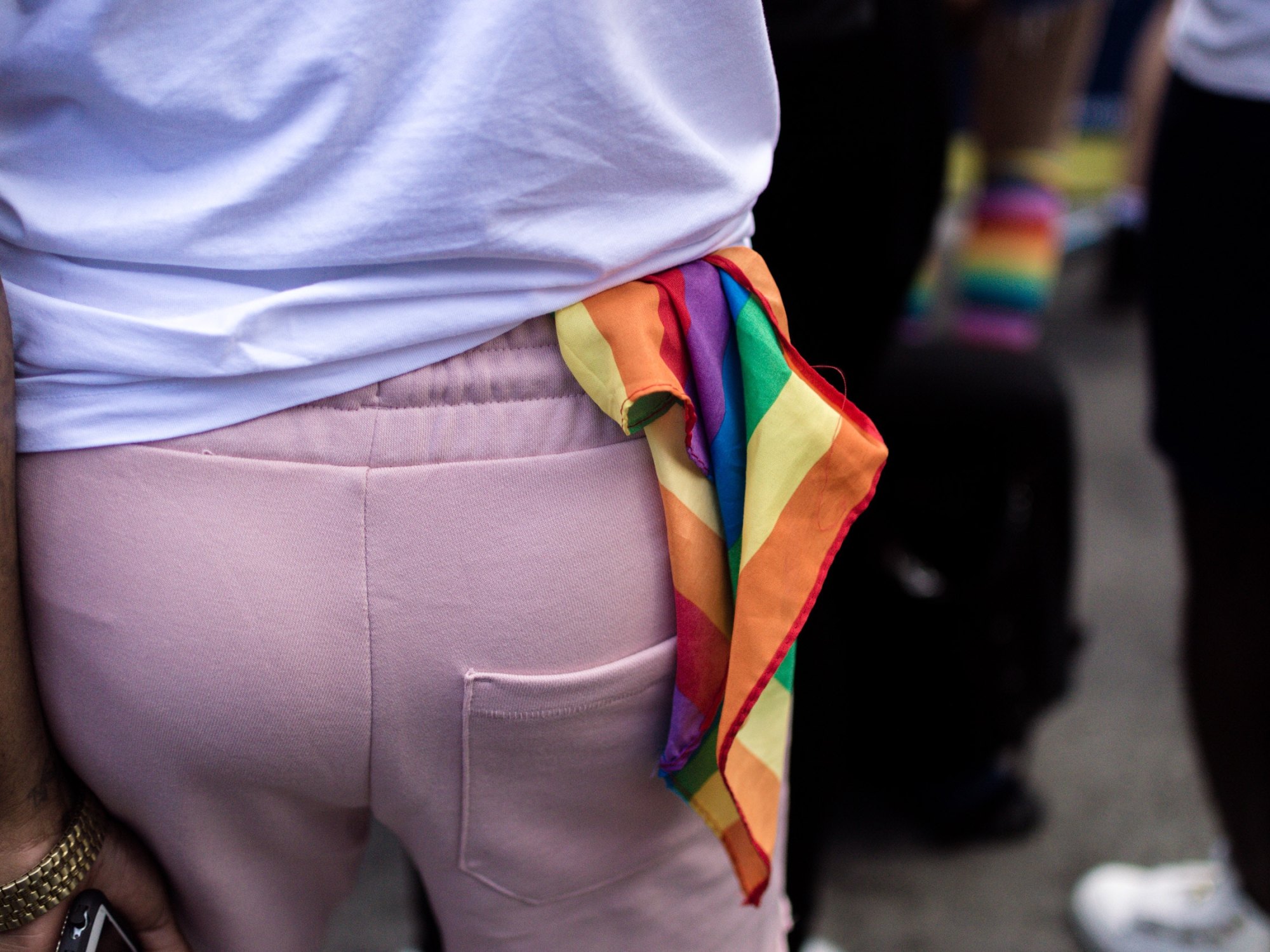
Not all people who menstruate are women
It is time for us to stop associating periods with femininity. Some women were not assigned female at birth, but identify as such. They might not get periods, and it does not make them any less female. The same goes for men: some of them menstruate. People from all genders have periods.
What do I mean by all genders?
More than 350,000 adults in the U.S. fall outside of the traditional binary gender norms. Many people see their gender as lying on a spectrum. Others do not identify as any gender at all. These people are known as non-binary, agender, genderfluid and many others.
Associating bodily functions and body parts to being a woman or a man can contribute to gender dysphoria – ‘A condition where a person experiences discomfort or distress because there’s a mismatch between their biological sex and gender identity.’ Period dysphoria can be especially triggering to non-binary people.
How to cope with periods if they make us feel bad about our gender identity?
Seek emotional help. If you suffer from gender dysphoria and it gets particularly bad once a month, do not hesitate to mention it to a therapist (make sure they’re LGBTQ+ friendly) or people you trust with this topic.
Reduce the pain. Painkillers might help, but you might also want to reconsider your diet. Periods lead your body to produce a lot of extra estrogen, and eating foods that facilitate your digestion could help mitigate that. Flaxseeds are high in fiber and help to eliminate estrogen from your body. Kale, brussel sprouts, collard greens and cabbage will help your liver to break down estrogen. Reducing your alcohol consumption and replacing it with peppermint tea will help as well. Dark chocolate is not only an anti oxydant, but is a good source of magnesium which will calm you. Also, fruits and yogurts relax your muscles, so enjoy those smoothies!
Take some self-care time. Dip into a warm bath with epsom salts and essential oils, do some yoga or meditate with a hot water bottle. I personally use the Headspace meditation app, which allows you to focus on your breath and the sensations in your body. A regular sleep cycle will help as well. One last tip: if you’re comfortable with it, masturbate! It will release some endorphins. Get all of the orgasms, it will relax the muscles that cause cramping.
Another thing to consider: period products
Shopping aisles are filled with flowery, pink and scented packages. But gender inclusive brands and products exist! Cass Bliss Clemmer lists some of them. Hello Flow is another good resource.
Menstrual cups like Lunette last for hours, which makes it easier to forget about your periods. If you do not like to insert things in your body, you could opt for reusable pads, such as GladRags. They are convenient if you happen to be in a men’s bathroom and you don’t want to be embarrassed by an annoying wrapper sound. It can be helpful to buy these online if you do not want to have to make the trip to the store.
My all time favorite? Period-proof underwear! I cannot stress enough how convenient these are. Here is what Lauren DiBello, THINX Period Specialist, told me about their products made ‘for people with periods’:
At THINX, our mission is to empower every body through innovative solutions and social change, so inclusivity is at the core of the what we do. Our innovative products are made for people with periods — however they identify. In fact, in 2015 we launched our Boyshort style as a direct response to feedback from non-binary and trans members of our community who wanted a more gender-neutral option. In doing so, we became the first company to feature a trans person in an ad campaign in the NYC subway.
Lauren DiBello
It is okay to want to get rid of your periods
Know that they are ways to reduce and/or stop your periods. A hormonal IUD will usually reduce your period’s flow. So will a hormonal ring, an implant or a Depo-Provera injection. If you are taking testosterone it might stop your periods, but that is not always the case. A hysterectomie could be a permanent solution, but it can be challenging to find a doctor who will be willing to prescribe it quickly. Jenn Bell from Clue wrote a helpful guide to finding a trans-friendly OB/GYN.
Finally, own your gender identity!
For example, dress up in a way that validates your gender! Some use binding (a good binder will flatten your chest without affecting your health) or packing (putting something in your underwear to get a penis shape).
Spread the vocabulary: ‘People with periods’, ‘people who menstruate’, ‘menstruators’… There are so many alternatives to ‘women’. If you are a cisgendered ally reading this article, try to educate yourself on terms related to gender fluidity, it is not hard and will make everybody feel more comfortable. And most of all, do not invalidate non-binary people’s experience by telling them things like ‘nobody likes their periods anyways’.
I could not say it better than Cass Bliss, The Period Prince:
Periods are temporary. Our identities are not.
Cass Bliss, The Period Prince
 Impawtent Content